
From Dialogue to Projects: Central Asia–Central Europe Cooperation Discussed in Prague
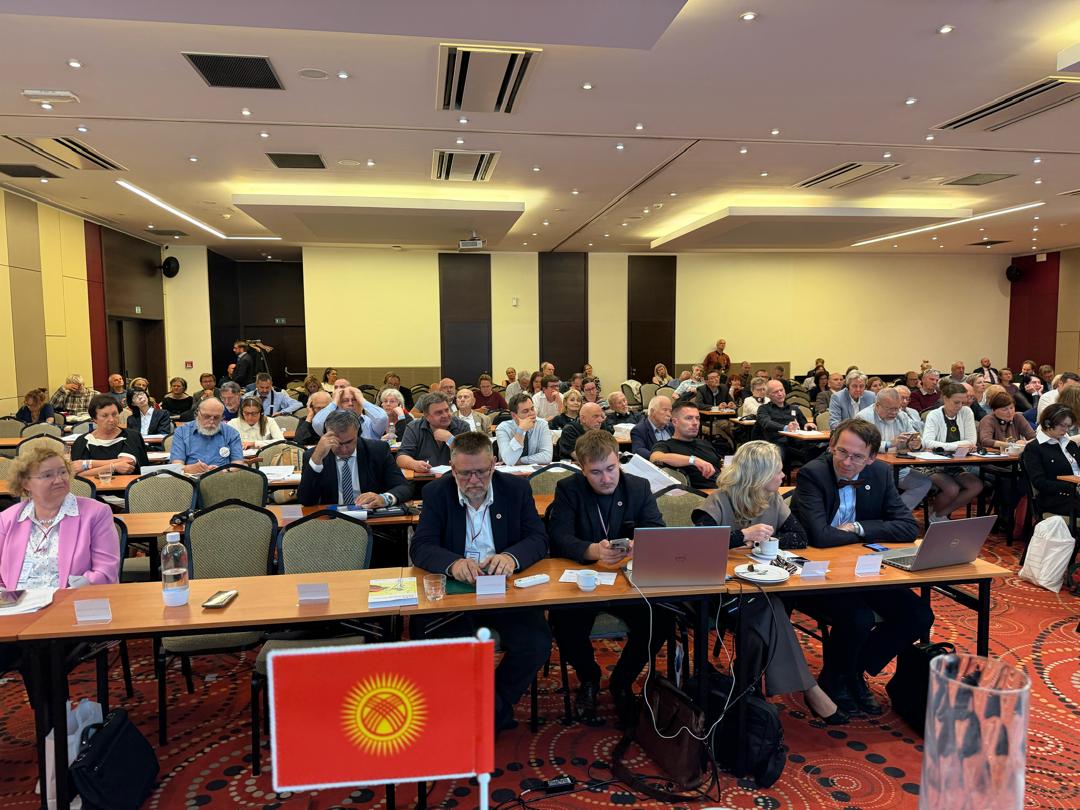
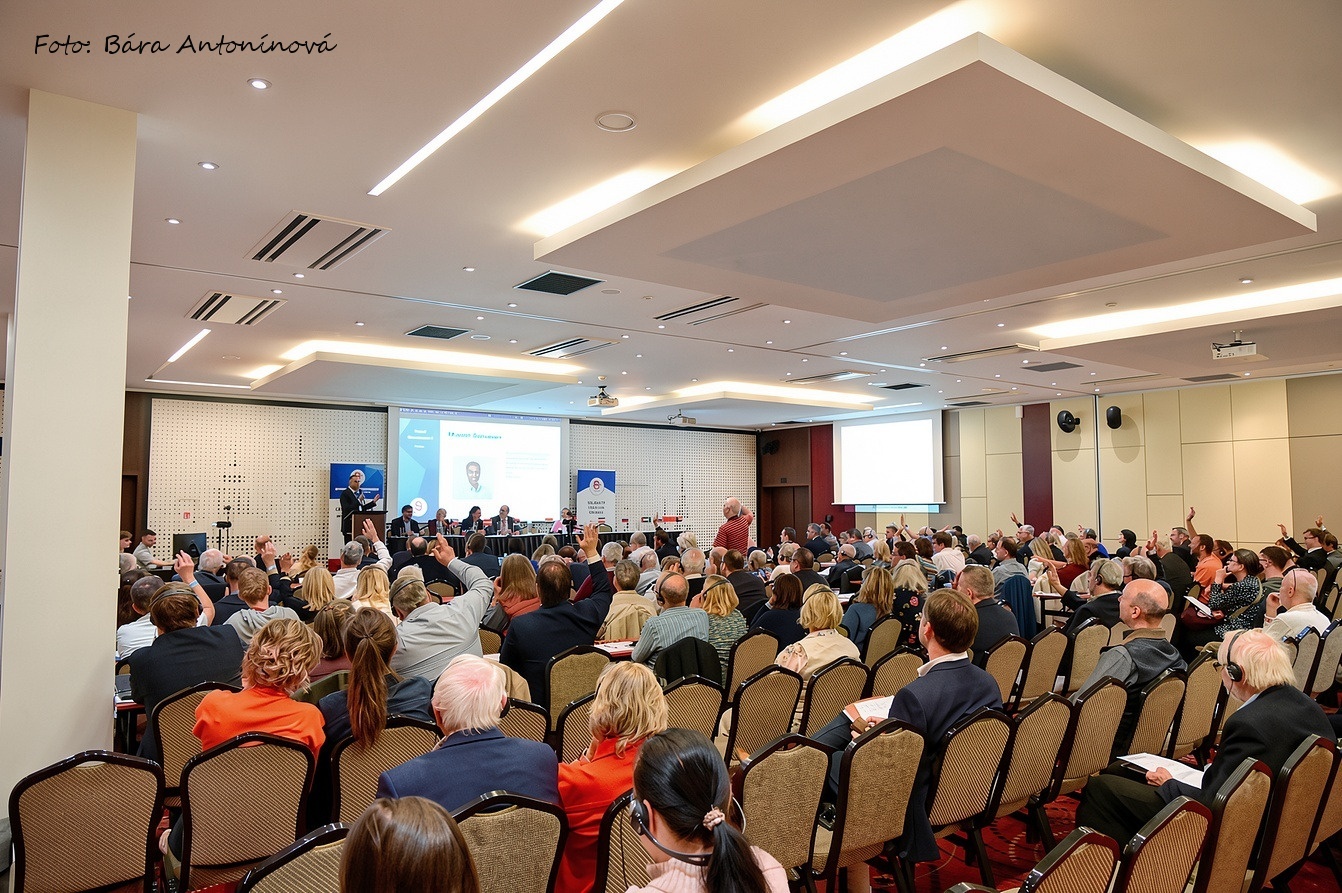
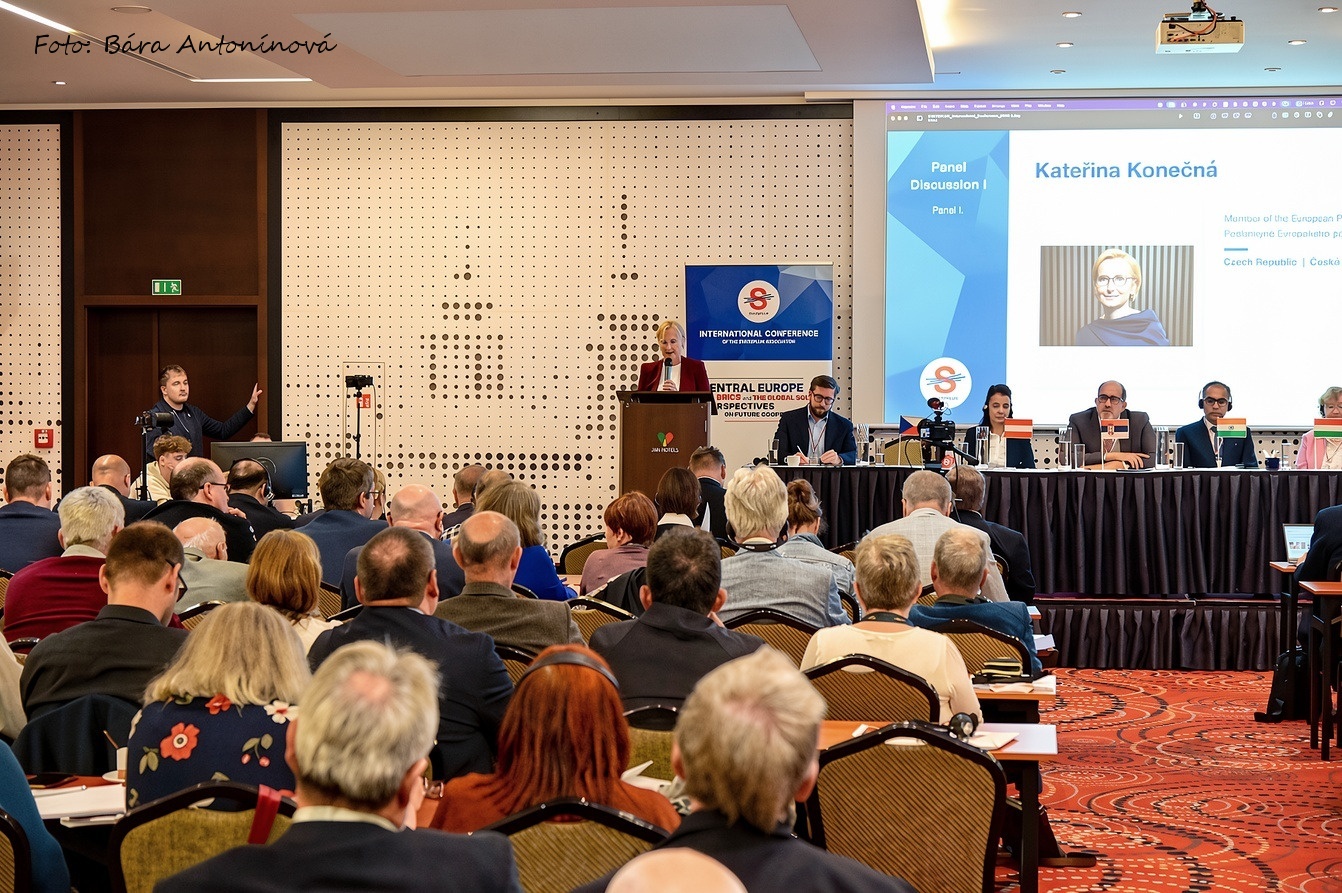
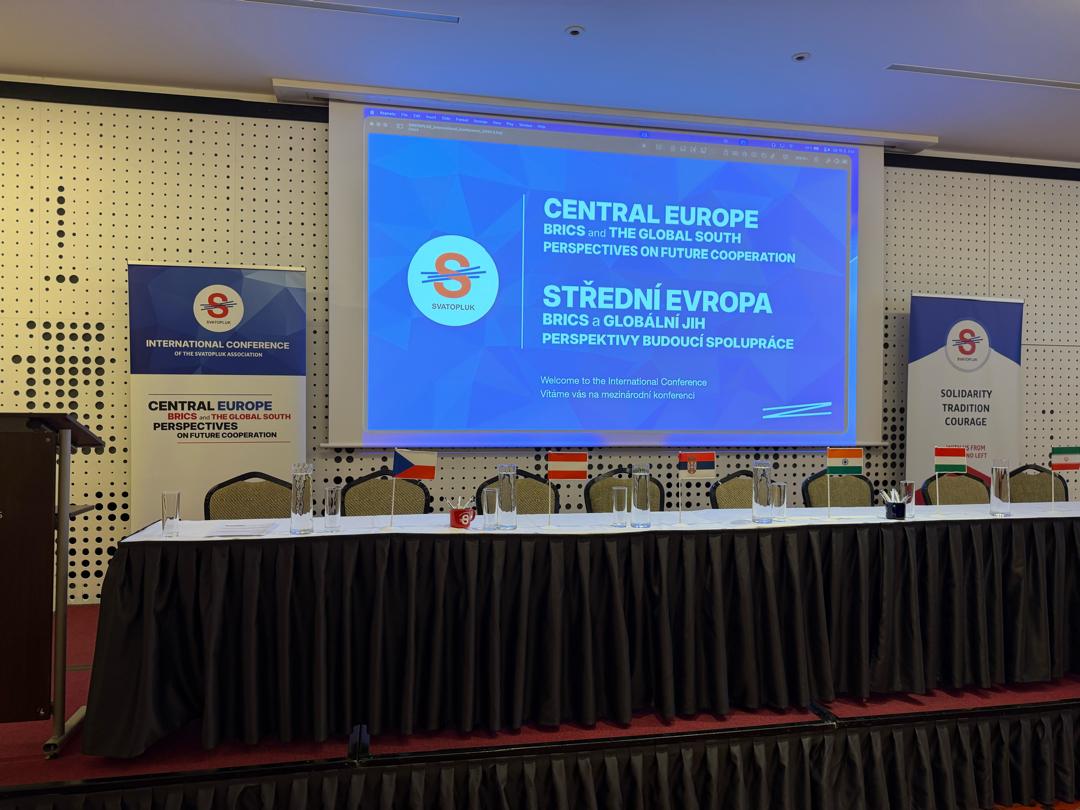
On September 19, IBC Executive Director Askar Sydykov participated in the international conference “Central Europe, BRICS and the Global South: Perspectives on Future Cooperation” in Prague, where he presented Kyrgyzstan’s investment potential and opportunities for developing trade and economic cooperation between Central Europe and the Global South. Particular attention was given to expanding business ties, developing logistics, removing trade barriers, and implementing joint projects in priority sectors of the economy.


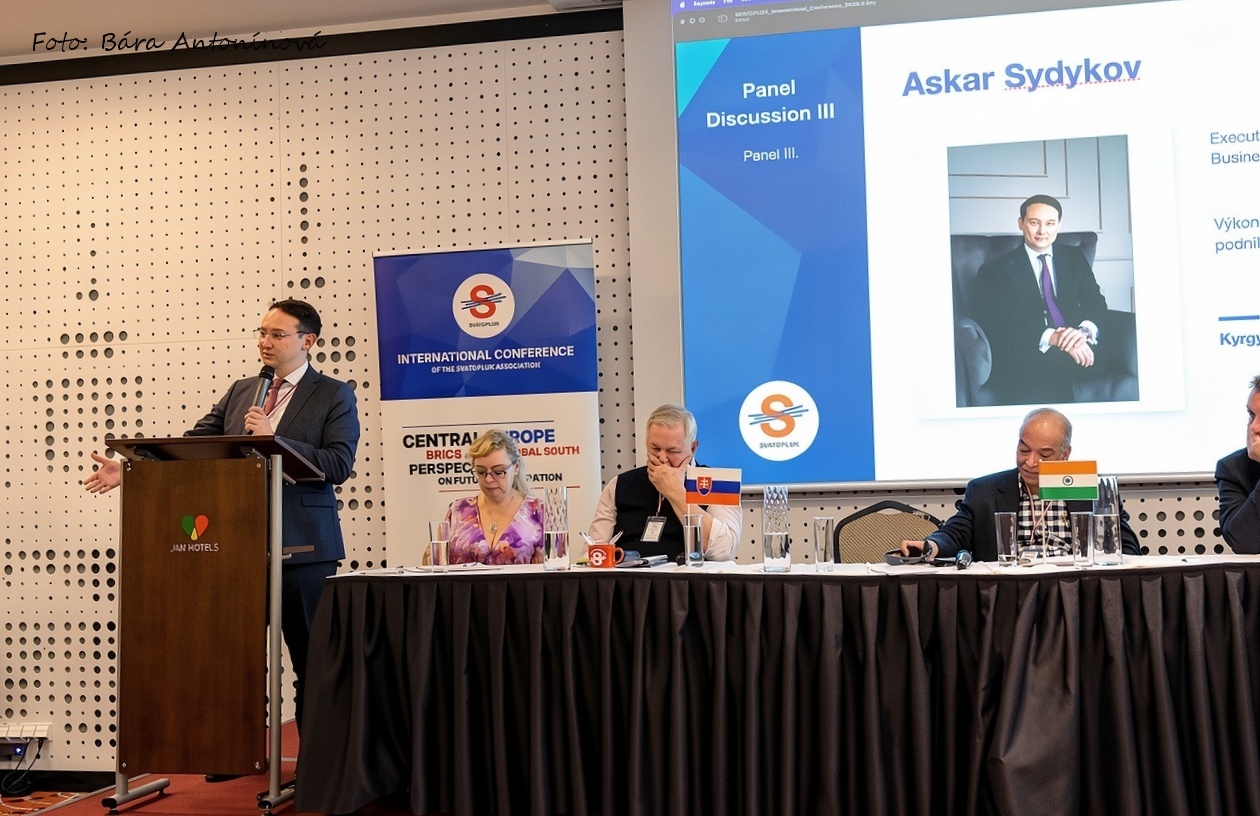
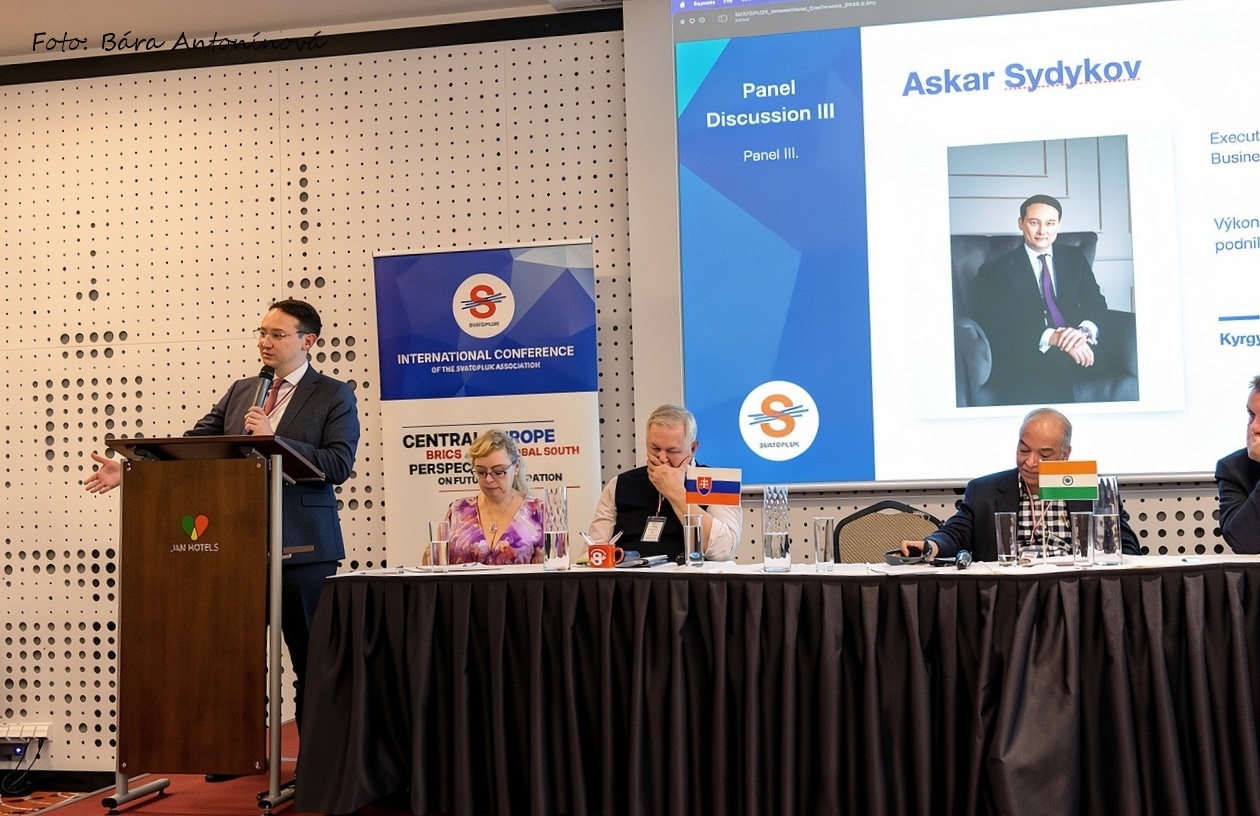
On September 19, 2026, the international conference “Central Europe, BRICS and the Global South: Perspectives on Future Cooperation,” organized by the SVATOPLUK Association, took place in Prague. Askar Sydykov, Executive Director of the International Business Council, represented Kyrgyzstan in a panel discussion dedicated to practical cooperation in trade, investment, and infrastructure.
In his remarks, Askar Sydykov highlighted opportunities to strengthen ties between Central Asia and Central Europe. Despite their differences, both regions face similar challenges: balancing relations with larger economies, developing transport routes, and diversifying trade and investment ties. Their shared experience of economic transformation following the socialist period provides an additional basis for mutual understanding.
To illustrate the scale of relations with the European market, it was noted that trade turnover between the European Union and the five Central Asian countries increased from EUR 22.3 billion in 2020 to EUR 51.4 billion in 2025. The next challenge is to translate this growth into more diversified trade, localization of production, technology transfer, and long-term investment.
Practical priorities identified included developing certification systems and accredited laboratories, removing sanitary and phytosanitary barriers, facilitating trade finance, digitalizing documents, and organizing business missions with subsequent project follow-up. Promising areas of cooperation include mechanical engineering, water and energy technologies, agricultural processing, healthcare, fintech, transport, education, and tourism.
Kyrgyzstan was presented as an accessible entry point for companies willing to start with a pilot project, adapt their solutions to regional conditions, and expand their presence. While its relatively small market cannot match the scale of larger economies, it allows investors to enter less competitive market niches and become prominent partners. The competitive advantages of Central European companies may lie in engineering quality, reliability, training, after-sales service, and local presence, rather than competing solely on initial price.
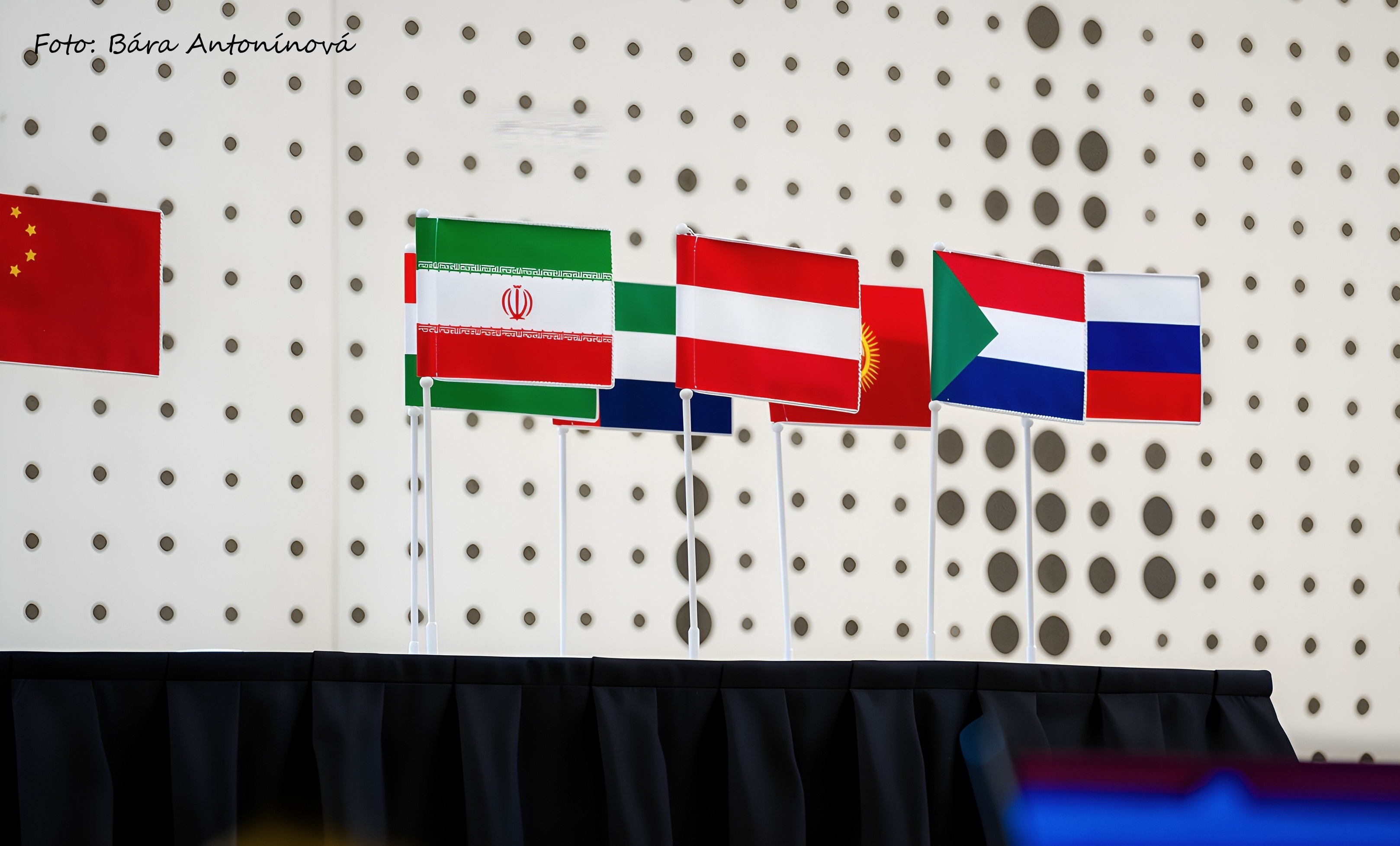
The discussion brought together business leaders from Slovakia, the Czech Republic, the UAE, and Sudan, as well as representatives of Kyrgyzstan and Russia. The panel was moderated by Czech economist Ilona Švihlíková. High-profile participants at the conference included former Czech President Miloš Zeman, former Slovak Prime Minister Ján Čarnogurský, Deputy Speaker of the National Assembly of Serbia Marina Raguš, Member of the Hungarian Parliament Balázs Orbán, and former Member of the European Parliament Jan Zahradil.
News
IBC Participates in the Meeting of the Statistics Council of the Kyrgyz Republic
On October 6, IBC Executive Director and Deputy Chair of the Statistics Council Askar Syd…
IBC Presented Its Approaches to Advancing Business Interests at the CIPE Regional Conference
IBC presented Kyrgyzstan’s experience in business advocacy at the CIPE regional conferenc…
IBC Members Receive Ministry of Economy and Commerce Awards on Kyrgyzstan’s Entrepreneurs’ Day
On 18 September 2026, the Ministry of Economy and Commerce of the Kyrgyz Republic held an…
Business Community Meets with the UK Ambassador-Designate to the Kyrgyz Republic
On 16 September 2026, the International Business Council, jointly with the British Embass…